




Millennials and Zoomers became the first generations who en masse decided to work on their psyche and seek psychological help. The trend of going to psychologists and psychotherapists quickly became a reason for jokes on the Internet: their authors ironicized the fact that today people are significantly inferior in psychological stability to older generations, who from childhood got used to difficult conditions and did not complain about life. Millennials and Zoomers are also accused of increased anxiety, excessive fixation on childhood traumas and fragile personal boundaries that break under the slightest comment. Whether young people today have really become more vulnerable and how true the opinion about the “reinforced concrete” psyche of older generations is, Lenta.ru found out together with psychologists.
Mental health crisis
Differences between generations are always discussed, but conversations about the mental stability of contemporaries have long gone beyond kitchen chatter. The trend according to which people today have become more vulnerable has been clearly observed by experts for several years.
According to Rosstat, from 2020 to 2024, the number of people with mental disorders in the country increased by 18 percent. At the same time, there are fewer cases of schizophrenia, alcoholism and drug addiction, and the main contribution to the increase was made by non-psychotic disorders, that is, depression, anxiety and other disorders in which clarity of consciousness is maintained.
This trend concerns not only Russia. For example, in the UK in 2023 the demand for mental health advice will be grew up by 33 percent compared to 2019. The US is experiencing similar dynamics. About one in five American adults has experienced depression at least once, and slightly fewer have been treated for anxiety disorders.
However, experts emphasize that the increase in indicators does not mean that people have become weaker. “This is a nostalgic distortion – before, problems simply weren’t talked about. Post-traumatic stress disorder, postpartum depression, and chronic anxiety have always existed, but they were attributed to character or ignored,” explained Ekaterina Mikhailova, a psychologist and founder of the Center for Psychology in Sochi, in an interview with Lenta.ru.
Not weaker, but more sensitive
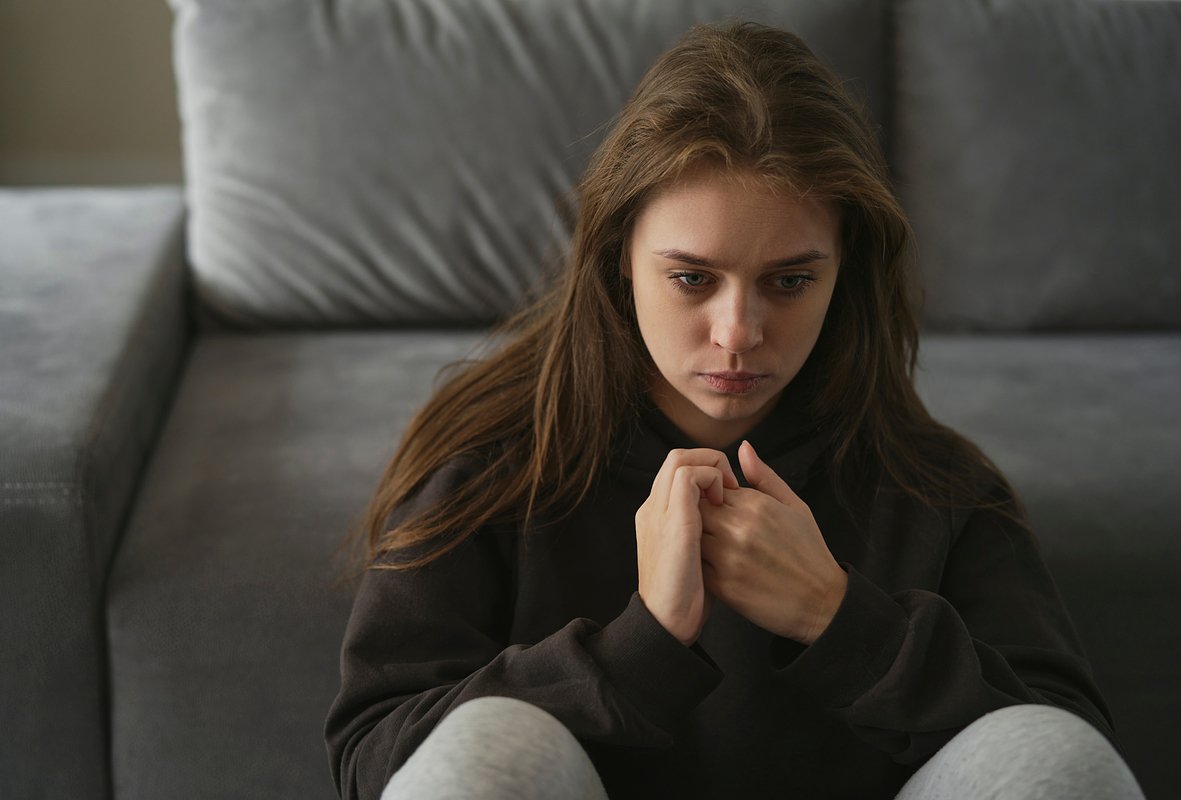
Largely due to the fact that people began to turn to psychologists more often, in recent years the opinion has become popular that today they cope with difficulties worse than representatives of previous generations. However, psychologists are sure that this is not so. “We take for weakness what is actually increased sensitivity and forget to ask where it came from and why it has become noticeable right now,” notes psychoanalytic psychotherapist and supervisor Maria Ignatieva.
In her opinion, there are several reasons for this trend. One of the main ones is that people have learned to recognize their emotions, talk about them and are no longer afraid to ask for help. This explains both the increased incidence of mental illness and the feeling that everyone around us is burnt out and medicating for depression. Until recently, it was difficult to simply imagine such interest in mental health. The language had no words for these conditions, and the culture encouraged the suppression of emotions.
Now not only traditions and language have changed. The environment in which people live has also changed. If previously stress was associated with understandable threats – lack of money or food – today it has become more diffuse and seemingly less significant. The endless flow of information, comparing yourself to others and the need to constantly make choices seem harmless at first. However, they create a constant background tension that never ends and from which there is no respite.
In addition, Mikhailova noted that representatives of older generations had almost no time left to analyze their emotions. Hence the feeling that there were no depressions before, and then they were simply invented out of boredom. In fact, modern people have the privilege of noticing their discomfort and talking about it, and not just enduring and overcoming it, the psychotherapist explained.
Environmental pressure and new vulnerability
Mental disorders are also increasing because people have to cope with problems that did not exist at all in the past. One such new challenge is information overload. Sometimes the brain has to process as much information in a day as a person in the Middle Ages did not receive in a year.
Adding to the pressure are social media algorithms, which push for constant comparison and create the illusion that others have a better life. There is a feeling that a person must control all aspects of his life and make decisions even in situations over which he cannot influence. “This depletes resources and increases anxiety, because it creates a feeling of responsibility for literally everything,” Mikhailova noted.
When does sensitivity become a problem?
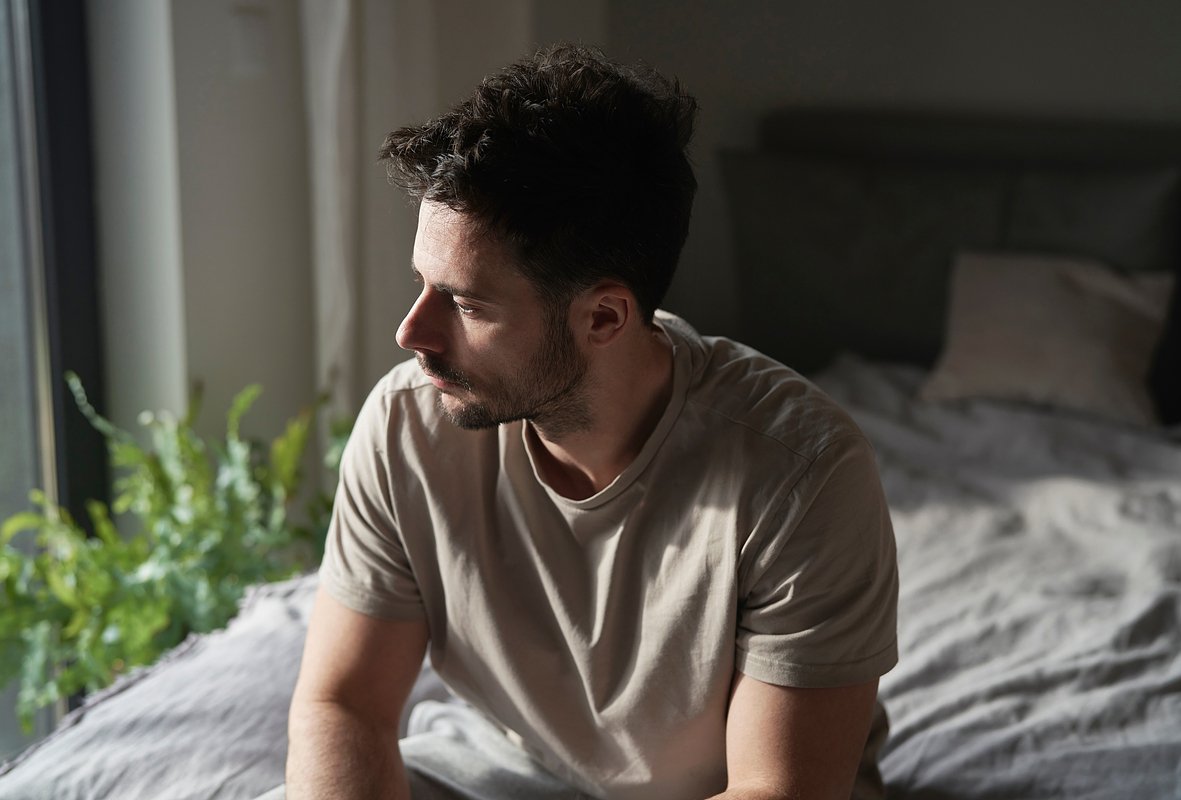
However, this trend also has a downside. The more attention a person pays to his experiences, the higher the risk of becoming fixated on them. University College London professor Peter Fonagy stressed that today, conditions that were previously considered part of everyday life are increasingly perceived as problems. On the one hand, this reduces stigma and helps people seek help in a timely manner. On the other hand, it creates the feeling that any internal tension needs to be relieved immediately.
As a result, ordinary life difficulties begin to be experienced as a glitch rather than as a natural part of the experience. This is where the paradox of modern psychology arises: what should help sometimes works against a person.
Mikhailova warned that when taking care of mental health, it is easy to fall into a trap when knowledge about emotions replaces reality, and the search for help becomes an endless process without results.
Psychologists note that for some people, excessive concentration on emotions actually reduces resistance to stress. Instead of experiencing complex states, a person begins to constantly analyze them, fixate on them and look for confirmation of the problem. As a result, anxiety can become a constant background, and fatigue can develop into burnout.
According to Mikhailova, to avoid this, you don’t need to perceive the reaction to any difficulty as a disease. Negative emotions are a normal response to living in a complex and rapidly changing environment.
How to train stress resistance?
According to Ignatieva, real stress resistance, that is, the ability to withstand fears and life’s troubles, is formed through experience. It occurs when a person gradually becomes convinced that he can withstand the difficulties from which he previously fled.
According to her, you can learn this both during therapy with a psychologist and on your own. To develop resistance to stress, the psychotherapist recommended adhering to several basic principles that reduce stress on the psyche.
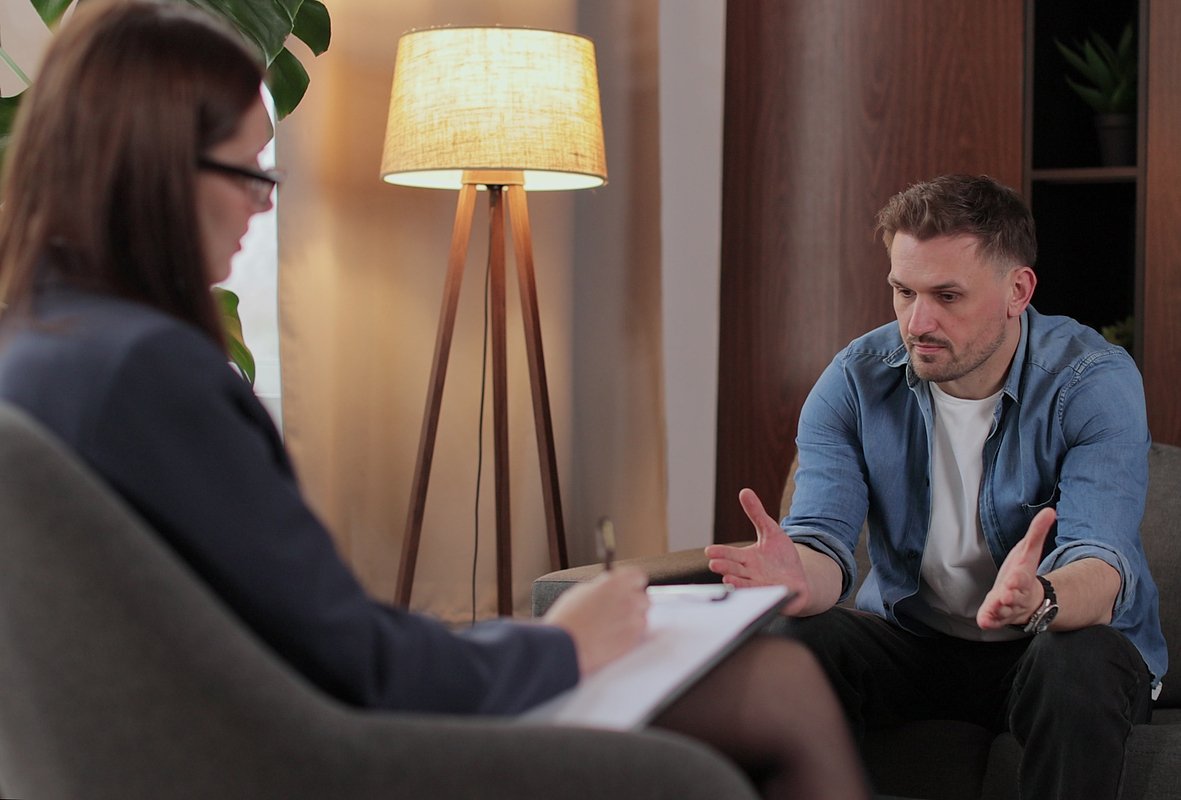
In addition, according to the psychotherapist, it is important to be able to recognize the moment when anxiety and burnout cease to be a normal reaction to what is happening and become a permanent condition. If they do not go away even with rest and a change of environment, Ignatieva urged to seek support from loved ones or a specialist.
In general, many experts who deal with psychological health agree that modern people have not become weaker. It’s just that the conditions in which the psyche works have changed. Today there is no need, as before, to endure at all costs and avoid vulnerability. It is more important to learn to live with your weaknesses and not turn them into the center of your life.
Source: Lenta