




Freedom Holding Corp. – an international financial technology corporation with its head office in Kazakhstan – will open a subsidiary bank in Georgia by the end of 2026. The new structure will deploy a digital ecosystem in the country according to the already tested “Kazakh model” – the same one that Freedom Finance exported to Tajikistan in just two years. Behind this is an ambitious global expansion strategy: after Georgia, the corporation’s plans include Turkey, France, Armenia, the USA and Mongolia, and the group’s total revenue for the 2026 fiscal year has already reached a record $2.2 billion. What is the state of the Georgian banking market and why did Freedom Finance choose it for its next step? What will Kazakhstan’s ecosystem model bring to Georgian clients—and how will local giants TBC Bank and Bank of Georgia, which control 76 percent of the country’s assets, respond? Read about what Freedom Finance is bringing to Georgia, what the country will receive, and how Timur Turlov is building a global financial network in the Lenta.ru article.
Bank from scratch
Turlov’s plans for expansion into Georgia became known at the end of 2025. Then the talk was about creating a specialized company (FBG Company), which would receive a local banking license, after which it would be reorganized and begin operating as a commercial bank under the general brand of the corporation – Freedom Bank Georgia JSC.
The authorized capital of the “technical” company is formed from 5 million ordinary registered shares with a par value of 1 Georgian lari per share, that is, 5 million lari ($1.8 million).
The organization’s charter, business plan and candidacies for the leadership of Freedom Bank Georgia were also prepared and approved
How reported on the Freedom Bank Kazakhstan website, the new credit institution will develop “client-oriented digital solutions in Georgia, as well as help improve the accessibility and quality of financial services.”
What landscape does Freedom Finance have to work in?
Georgia is a small country of 3.9 million people with a rapidly growing financial market that is gravitating toward digitalization. Now there are 19 credit institutions operating here. In total, in terms of assets, they occupy a share of 89.9 percent (as of the end of 2024) of the country’s entire financial market as a whole.
A distinctive feature of the Georgian banking system is its high concentration
Dominant position occupy two systemically important players are TBC Bank and Bank of Georgia, controlling 76 percent of assets and 75 percent of the loan portfolio.
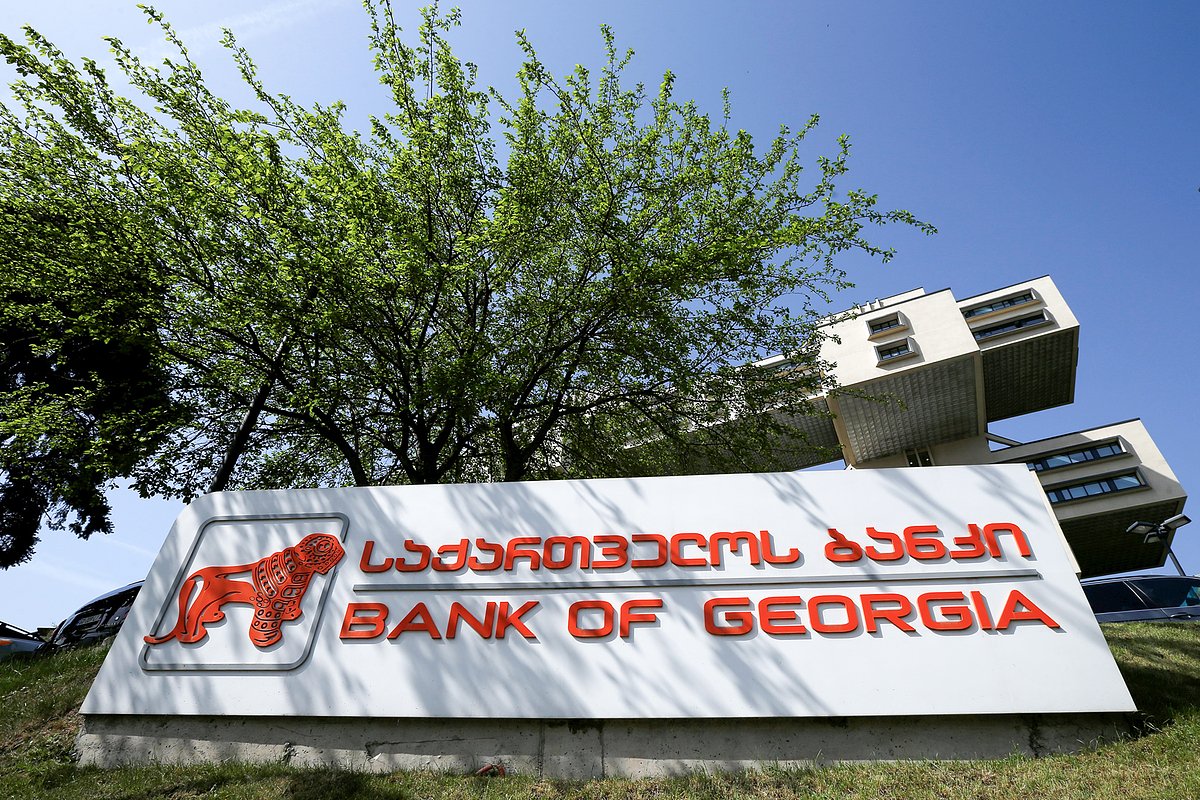
The bulk of the sector’s revenue also comes from them: in 2025 it was 3.3 billion lari. The third significant market participant is Liberty Bank, whose client base includes more than 1.7 million retail and 60 thousand corporate clients. In mid-April it acquired BasisBank, owned by the Chinese Hualing Group. At the time of the transaction, Liberty Bank had assets worth 5.8 billion lari ($2.12 billion), a loan portfolio of 4.2 billion lari and a deposit portfolio of 4.17 billion lari.
Another Georgian “trick” is the presence of two microbanks on the market. This form, intermediate between a microfinance organization (MFO) and a universal commercial bank, implies reduced minimum capital requirements (compared to conventional banks: 10 million GEL versus 50 million GEL, respectively) and broader opportunities to work in the market compared to MFOs.
Microbanks can lend to businesses and individuals within the established limit, attract deposits, issue guarantees, issue cards, and carry out currency transactions. But work on the securities market is possible for them only if they receive special permission from the regulator. There are currently two microbanks in Georgia – Micro Business Capital and Crystal.
Seven Georgian banks are subsidiaries of large foreign banking groups
Total assets of the sector at the end of 2025 reached 108 billion lari (102.5 percent of GDP), showing an increase of 12.1 percent year on year. The loan portfolio increased by 15 percent, more than half (53.6 percent) accounted for household lending – mortgages and consumer loans.
What does Freedom Finance bring to the Georgian market?
Freedom Finance’s strategy includes rapid expansion into the regions of Central Asia and the Caucasus using an ecosystem model already tested in Kazakhstan and recognized as successful. It involves building a digital infrastructure around a banking core – a credit institution either acquired as part of an M&A, or organized from scratch and received a license to operate from a local regulator.
All Freedom digital services available to Kazakhstani users will be available in other countries of presence, and the payment hub for it will be new banks created in these territories
Freedom Finance is a recognized digital leader in the CIS. Therefore, the holding will obviously bring its competencies and technologies, as well as relevant products, to Georgia. Freedom Holding had its first such experience in Tajikistan. The ecosystem was actually completely exported there, which, according to the majority shareholder and head of the corporation Timur Turlov, took only two years versus the ten years it took to build the original in the home region.
In the fall of 2024, the subsidiary Freedom Bank Kazakhstan received a banking license in Tajikistan; a year later, Freedom Bank Tajikistan officially entered the market, and in the spring of 2025 it received licenses to conduct brokerage, dealer activities and trust management.
A credit institution in Georgia will work according to the same scheme
The plans include the deployment of the digital infrastructure of Freedom Finance in Turkey, where the flagship bank (Turkish Bank AS) has already been acquired, in France (investments in creating a bank in this country will amount to about 500 million euros), Armenia and the USA. The other day Timur Turlov signed cooperation agreement with the government of Mongolia. According to him, Freedom Holding is exploring investment opportunities in this country, including in the banking and financial sectors.

What will Georgia get?
A strong diversified player with a successful business model, the effectiveness of which is annually proven by financial results. So, according to reporting For fiscal 2026 (ended March 31), Freedom’s total revenue was a record $2.2 billion, 26 times more than when the company went public in 2019. Net profit for the year doubled to $153.3 million.
The number of clients in the leading business areas – brokerage and banking – grew to 858 thousand and to 5.03 million, respectively. Monthly users of the Freedom SuperApp, through which access to the ecosystem is provided, have doubled compared to a year earlier – 2.59 million people.
Freedom SuperApp is used daily by 634 thousand clients (an increase of 3.5 times over the year). In total, the group already has more than 14 million clients.
Georgia is aimed at developing financial innovation and digital assets. The model of digital credit institutions operating only online, without physical branches, is already being successfully tested there. Now there are three of them – Paysera, Hash and Pave. All of them are still at the bottom of the ranking by assets, as they started their work quite recently and are only gaining momentum.
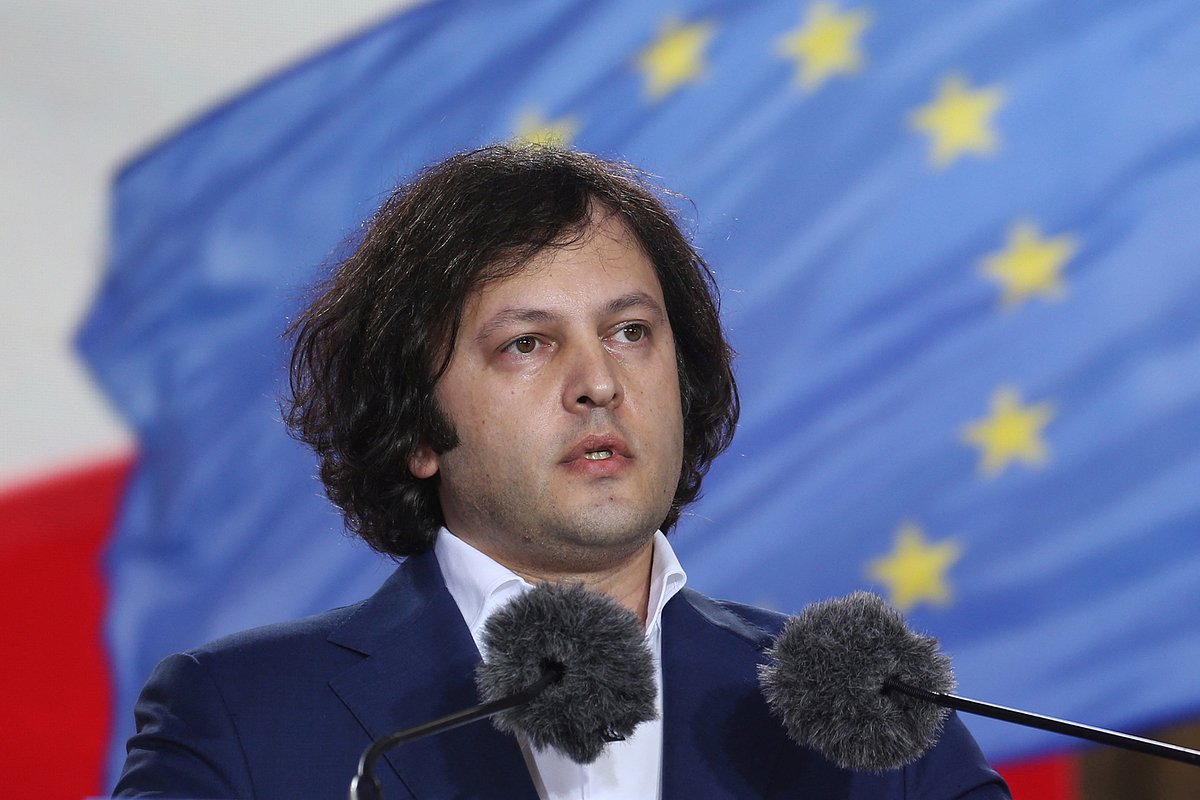
According to Georgian authorities, further development of the fintech sector may serve driver of economic growth as a whole and will have a positive impact on the investment attractiveness of Georgia. According to the Prime Minister of the Georgian government, Irakli Kobakhidze, “cooperation with major market players will help turn the country into an important digital bridge between Europe and Asia.”
In addition to expanding its presence in the Caucasus, Freedom Finance is targeting “old” Europe. Here, including in Cyprus, Germany and France, the company plans to expand its brokerage business and strengthen synergy with other areas (primarily banking) of the ecosystem. In the future, we plan to enter the American market with ecosystem products.
Source: Lenta